Organizational Network Analysis (ONA)
See How Work Really Gets Done—Before Your Next Change
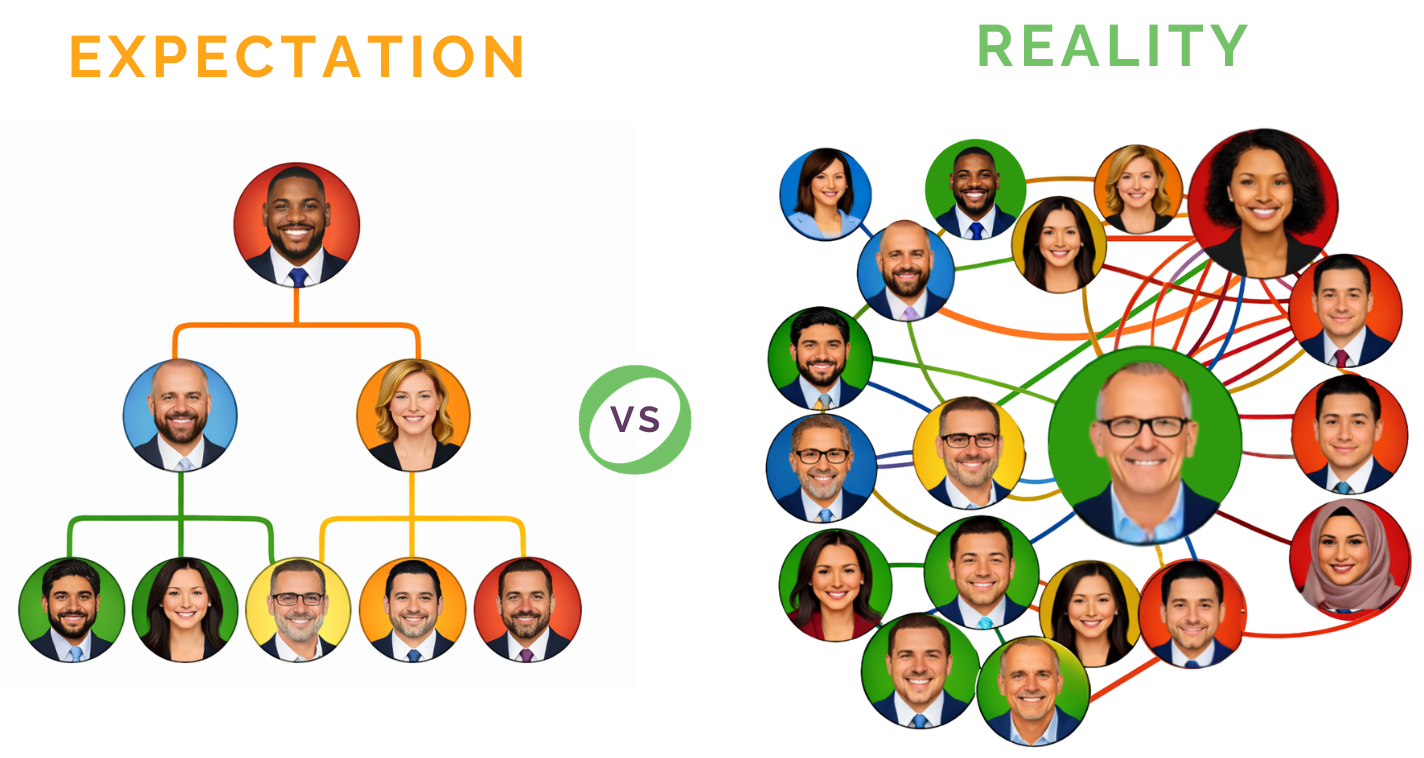
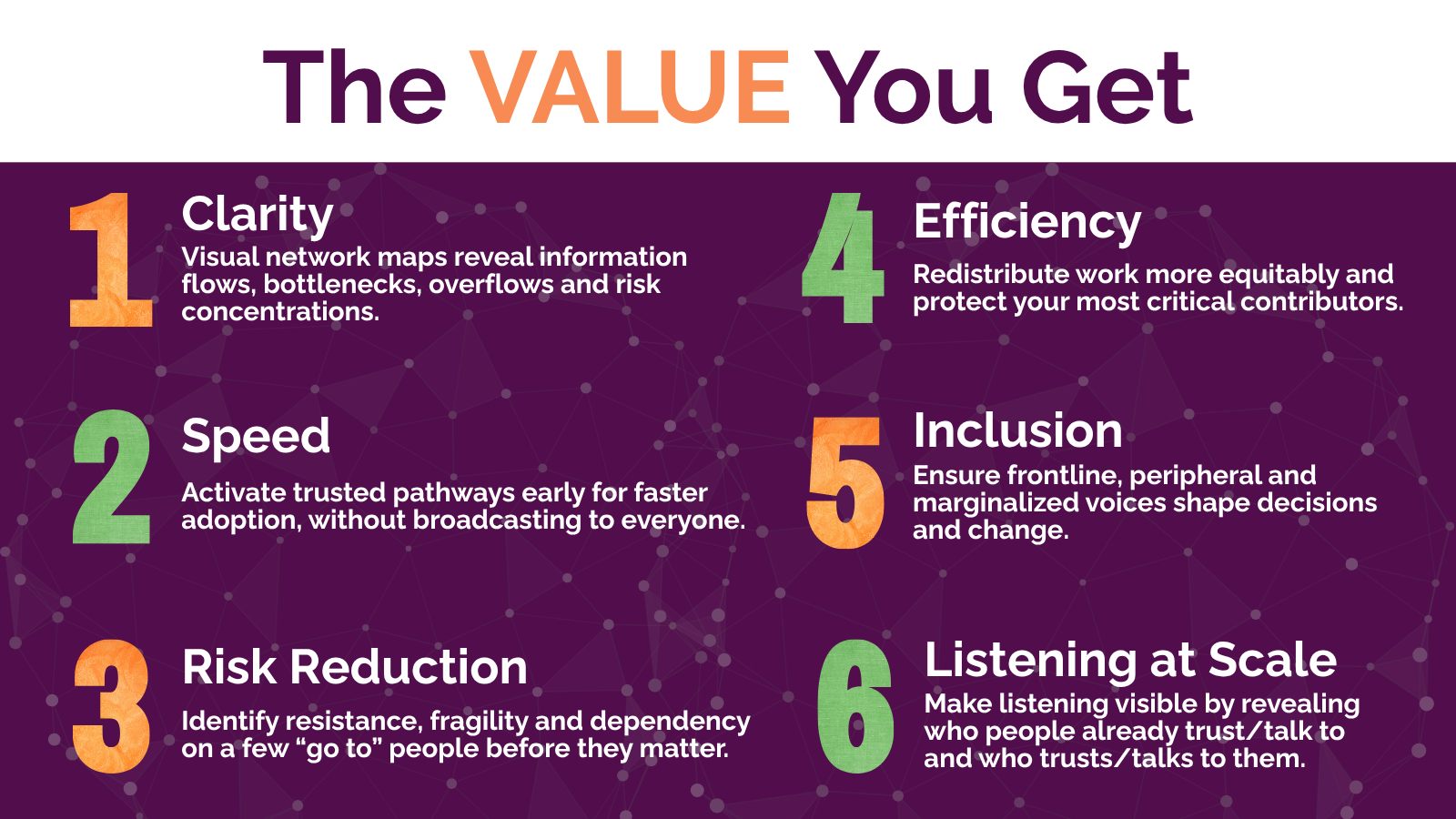
Informal networks drive up to 80% of performance. Yet most leaders plan change as if formal structure is what matters.
Organizational Network Analysis (ONA) makes invisible networks visible—so leaders can see how information, influence and work actually flow across the enterprise.
What ONA Reveals That Traditional Analytics Miss
Drawing on leading research in systems and network dynamics, ONA shows how people truly:
- Collaborate across boundaries
- Share (or withhold) information
- Solve problems when pressure rises
- Influence decisions and adoption
- Get work done—despite formal processes
Instead of averages, ONA exposes structural differences that drive outcomes: overload, bottlenecks, fragility and untapped resilience.
What Leaders Learn—Quickly and Credibly
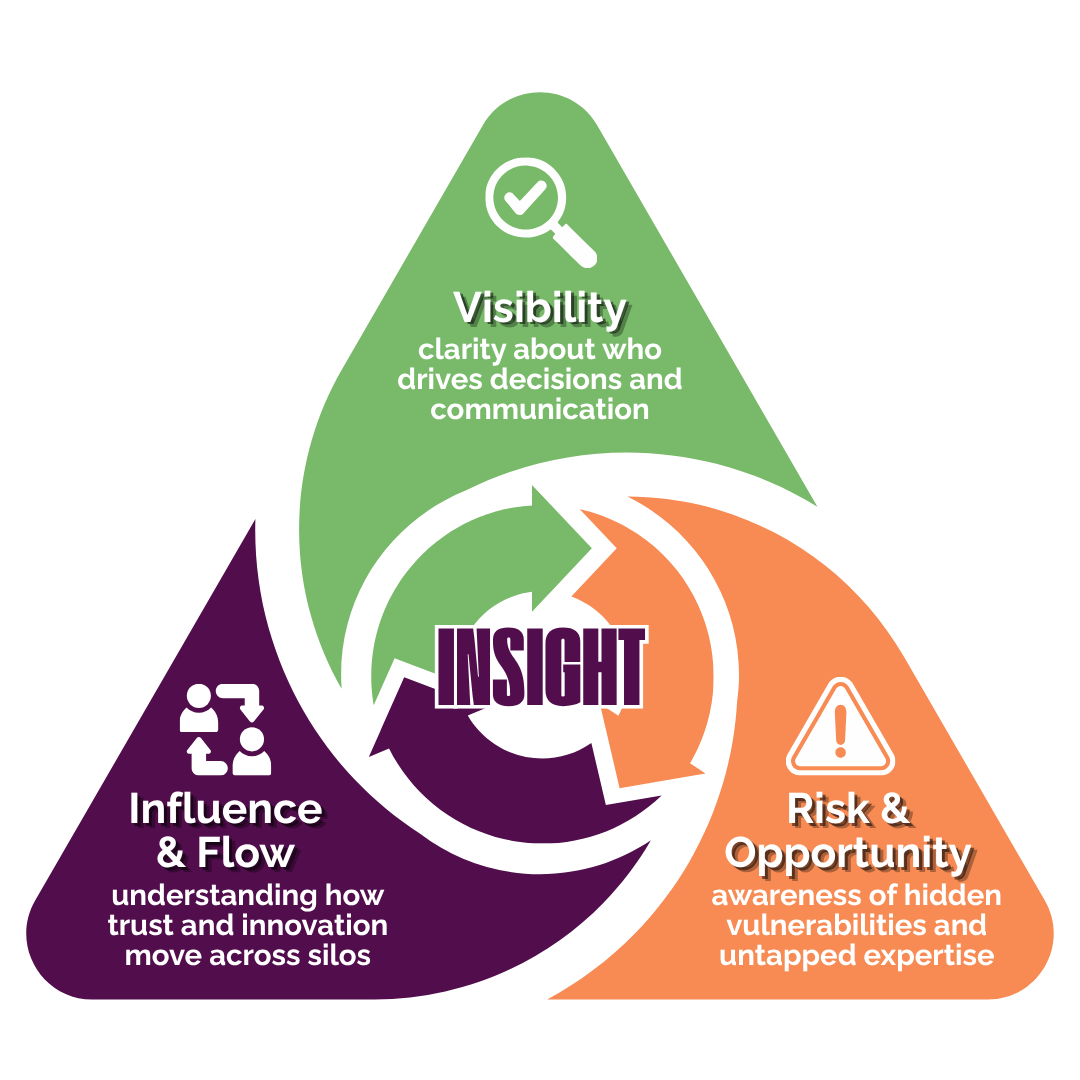
ONA surfaces what leaders need to know but rarely see:
- Who people actually go to for decisions and problem-solving
- Where hidden risks and points of failure live
- Which subject matter experts are isolated or underutilized
- How communication really moves across silos
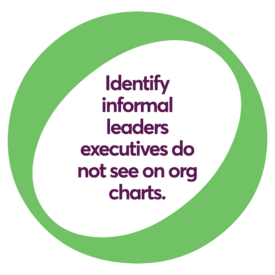
- Who holds informal power and influence
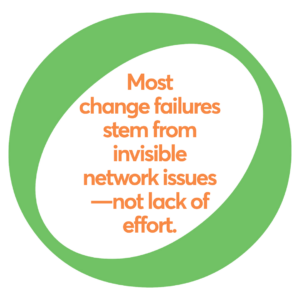
- Why some changes spread—and others stall
- Where innovation and knowledge sharing break down
From “Change Readiness” to Network Readiness
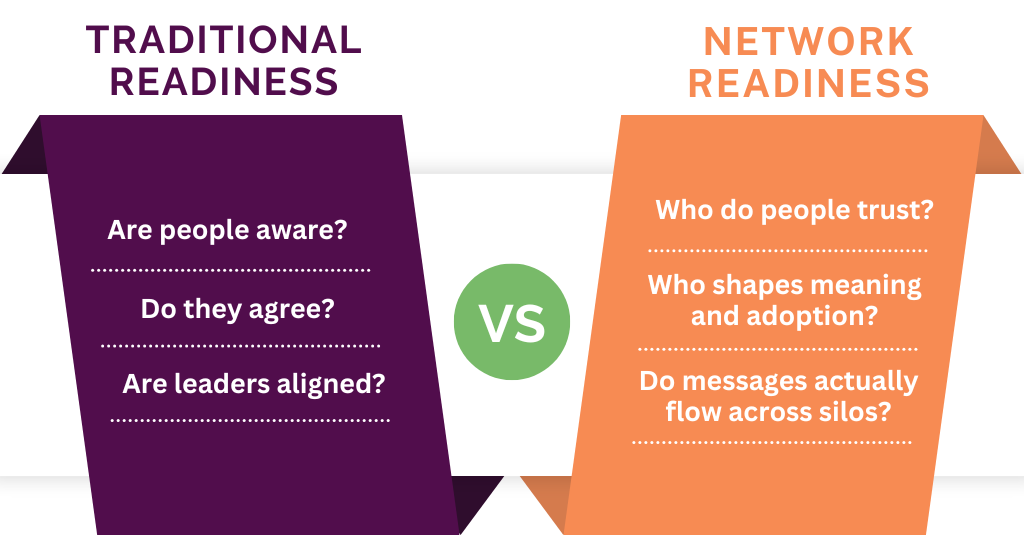
ONA sets the stage for change success—before formal announcements are made.
ONA Works (Without Survey Fatigue)
Ahead of a transformation, we:
- Map informal influencers, sense-makers, and blockers
- Identify a small, credible “change spine” instead of hoping mass communication works
- Surface assets and liabilities in your change network
A focused ONA—often as few as 10 questions over 2–3 weeks to reveal where change will accelerate or fracture.
Ready to See Your Organization Clearly?
If you’re planning a transformation—or wondering why past ones stalled—ONA provides the insight leaders need to act with confidence.
♦ Talk with Innolect about an Organizational Network Analysis
♦ Or read our article in Strategy+Business: Using a Network Strategy to Align a Multinational Organization
Explore Recent Blogs

Demonstrate Leadership to Overcome the Impact of Social Distancing
According to Cigna’s 2020 Loneliness Index, there is a loneliness epidemic in America, with three in five adults (61%) reporting they are lonely (a 7% increase from 2018). During the Coronavirus pandemic, researchers expect greater social isolation and social distancing will have negative effects on employees, especially ones who already feel lonely or isolated.

Conflict Is on the Rise. What Can Leaders Do?
“Courage is what it takes to stand up and speak. Courage is also what it takes to sit down and listen.” Winston Churchill Consider this… In 2019, there were 76,418 discrimination charges reported to the EEOC in the U.S. And according to Randstad, 58% of employees resign due to conflicts at work or negative office […]

Leaders, What Will You Do to Make a Difference?
Each weekday, NBC’s nightly news includes a final “Inspiring America” story. These stories showcase people who make a difference in the lives of others. They remind us that small actions can have a large impact to better our world. Consider, Jadav Payeng, “The Forest Man of India.” Saddened by how erosion and the changing ecosystem had destroyed the river island he loved, he began to plant one tree sapling each day on this decimated Island. Now, after almost 40 years, the trees he planted have reclaimed more than 1300 acres and become an Island with lush forests and abundant wildlife.
Our Services
Growing
Teams
Learn More:
Growing
Organizations
Keynote Presentations &
Webinars