
What Do Organizations Miss When Transitions Focus Only on Structure?
Organizational Network Analysis (ONA)
What ONA Reveals That Org Charts and Plans Can’t
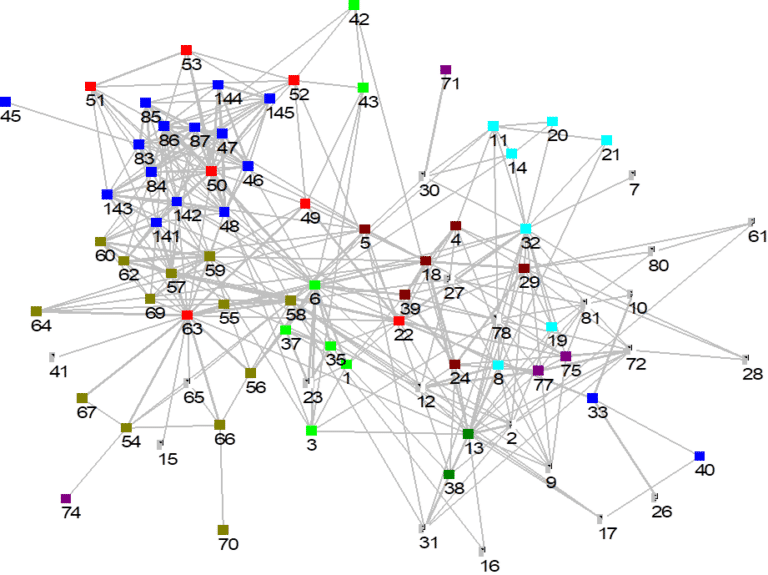
ONA maps show real patterns of interaction across the organization:
- Informal leaders and “go‑to” experts not visible in formal roles
- Single points of failure created by knowledge concentration
- Uneven workloads that increase burnout and risk
- Silos across functions, sites or partners
- Where the loss of a few individuals would disrupt outcomes
The result is clear, visual, evidence‑based insight into how work actually gets done. Maps consistently identify informal leaders who executives do not see on org charts.
Why This Matters in Life Sciences Organizations
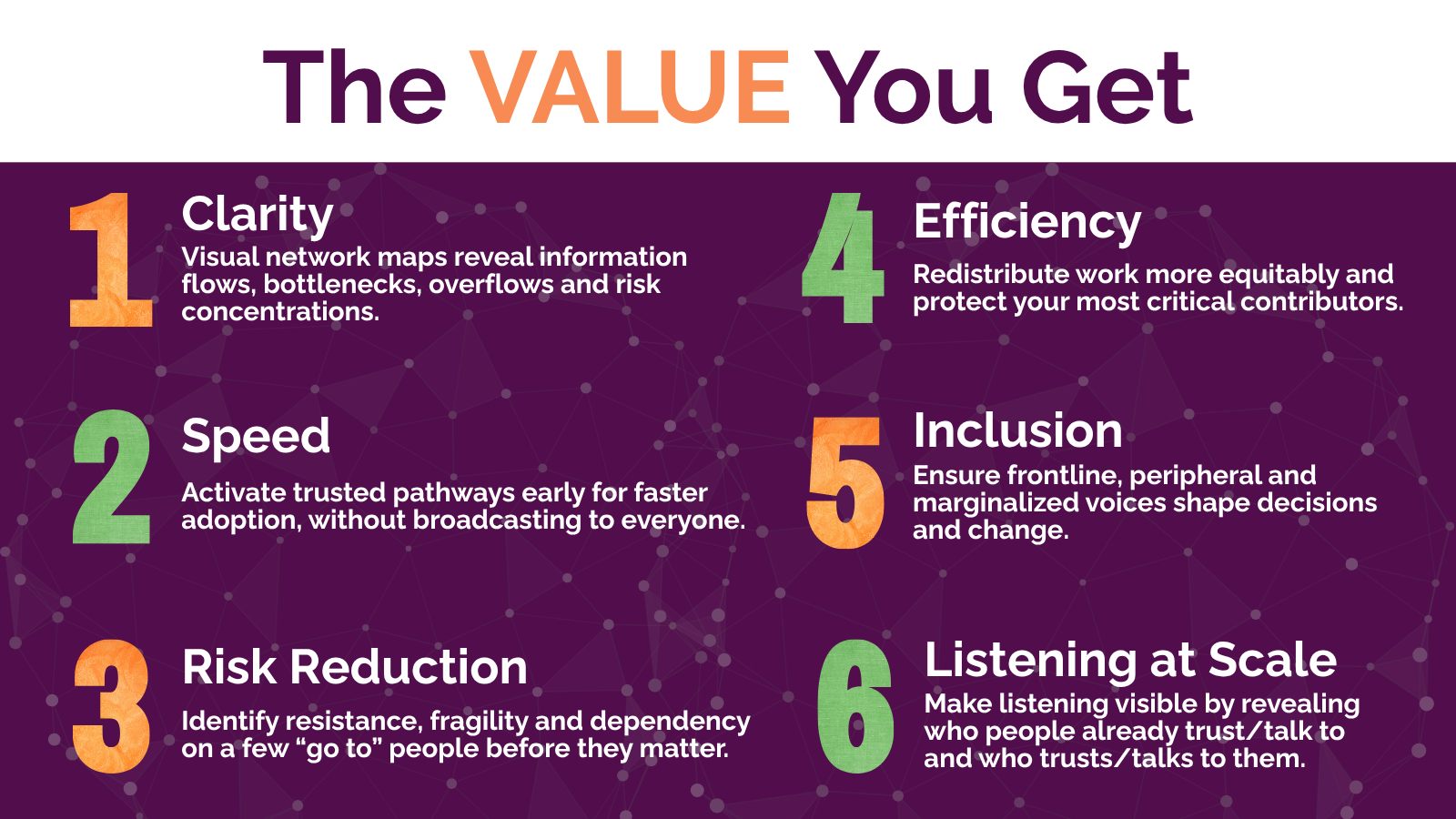
ONA helps leaders manage transition and execution risk by making people dynamics visible:
- Risk Reduction - Identify fragile dependencies before disruption occurs
- Operational Continuity - Surface undocumented knowledge critical to quality, safety and delivery
- Speed & Stability - Anticipate bottlenecks that slow execution during change
- Resilience - Understand where redundancy exists and where it doesn’t
- Defensible Decisions - Use objective network data to inform mitigation strategies
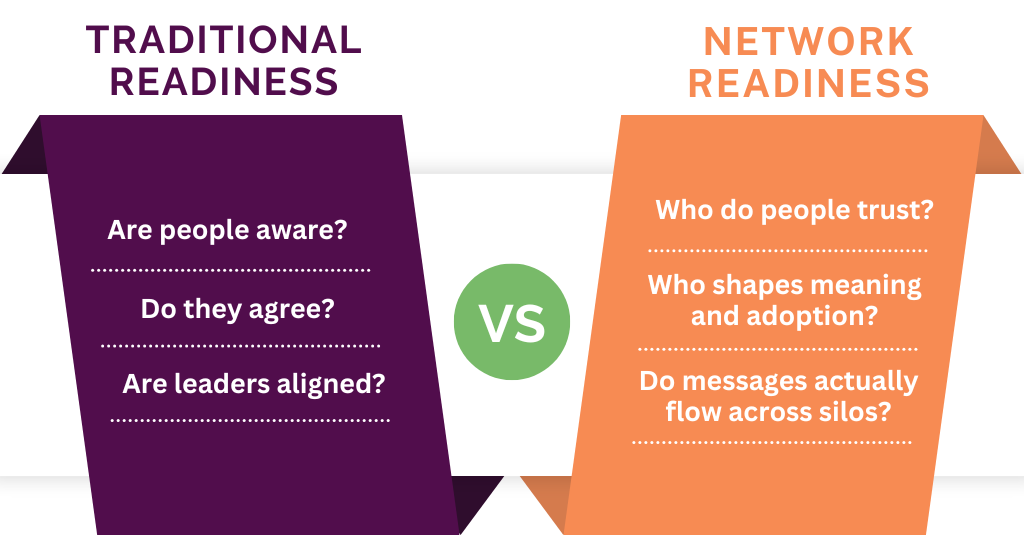
ONA highlights assets and liabilities in the network early when leaders still have time to act.
Questions Leaders Need Answered:
- Where would work slow if a few key people left or shifted roles?
- Which dependencies aren’t captured in plans or documentation?
- Who quietly enables coordination across boundaries today?
- Where are we relying on “tribal knowledge”?
ONA provides answers before consequences appear in performance, quality or timelines.
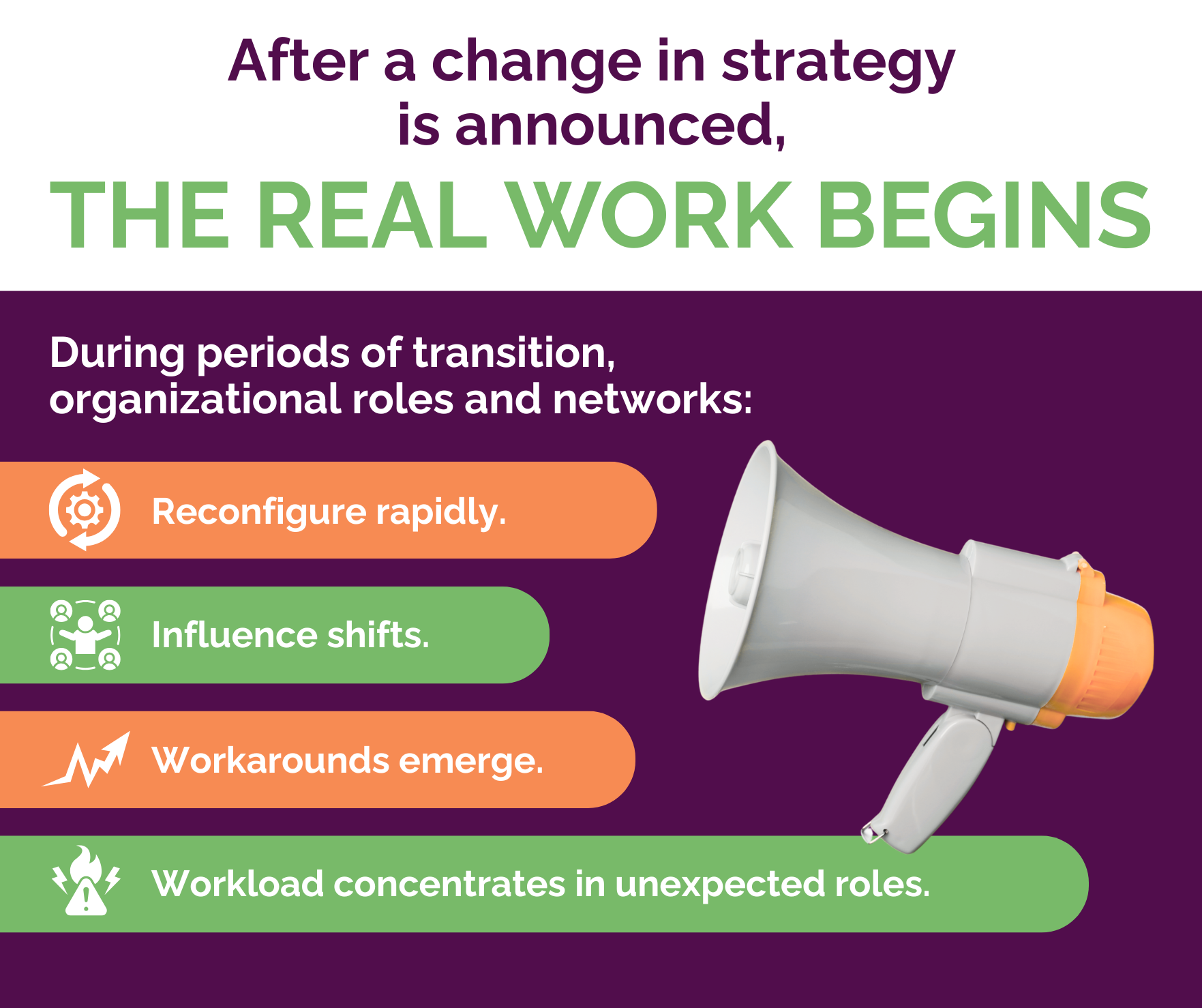
ONA reveals the people dynamics that determine whether transitions succeed.
Learn More
♦ Explore the research behind the approach in People+Strategy - From Regional to Global: Using a Network Strategy to Align a Multinational Organization
♦ Or connect with Innolect to discuss how Organizational Network Analysis can support more resilient transitions in life sciences organizations.
Listening is key to any great relationship, and it is critical to effective manager-employee relations. At Innolect, we create Listening Leaders. Our Listening Architecture℠ is a deliberately planned, strategic approach to learn and gain insight about employees. It provides qualitative and quantitative methods at the individual, team and system levels.

Innolect Awarded a Bronze Medal in Recognition of Sustainability Achievements by EcoVadis
Innolect’s Leadership Development



Change Management
Explore our articles on creating and managing change that sticks.

Workplace Effectiveness
Explore our articles on Workplace Effectiveness to spark stronger performance, clarity and collaboration across your organization.

Executive Coaching & Leadership Development
Browse these articles to to spark insight, elevate impact and grow the leader within.

